February 11, 2026
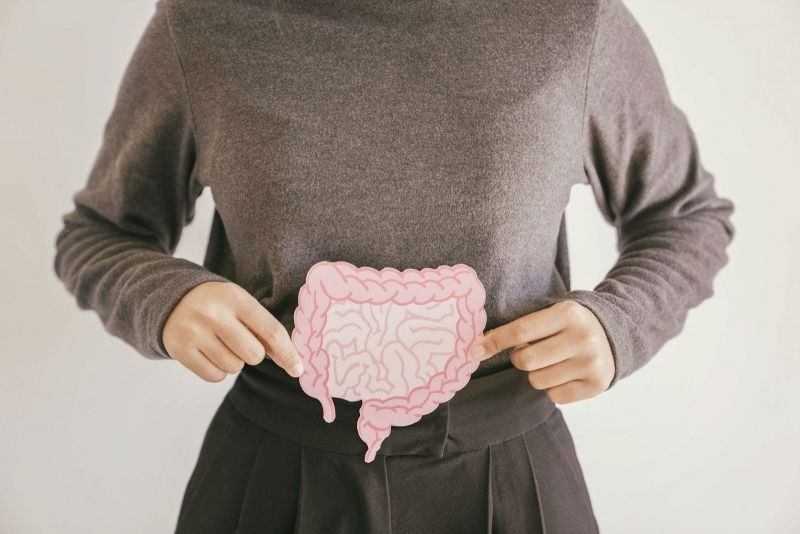
Living inside our intestines are trillions of microorganisms (bacteria, fungi, etc.), collectively known as the gut microbiome . Our gut microbiome plays a huge role in our overall health and wellbeing. Having a healthy gut goes beyond good digestion. With emerging research, we now know that the tiny microbes living in our gut can have an impact on almost every area of our body. Mental Health and Cognition The human gut microbiome affects the brain in many ways. The gut-brain axis is a bidirectional communication network. Through signaling pathways like hormones, nerves, and neurotransmitters, the gut sends signals to the brain and vice versa, leading to certain health outcomes. Brain fog is a common symptom of an underlying gut issue, which is usually due to inflammation stemming from our gut. A 2025 review states that there are even specific species of bacteria in our gut that affect our mood and cognitive performance. In fact, one large population study reported that frequent antibiotic use increases the risk for developing anxiety and depression, since antibiotics can deplete our gut of beneficial bacteria. Skin Health Eczema (Atopic Dermatitis) is a chronic inflammatory skin condition. Studies have shown potential links between the gut microbiome and the presence of eczema. This happens when dysbiosis (imbalance of microbiota) occurs in the gut, which triggers an inflammatory response in the body, sometimes leading to inflamed areas on the skin. This can also cause acne in some people. In fact, a 2019 review concluded that it is clear that different intestinal microbes can contribute to the presence of acne. So, if you’ve struggled with acne no matter what products you try, you may want to shift your focus to your gut instead. Immunity Clinicians are recognizing more and more the link between our immune system and the gut microbiome. Over 70% of our immune cells are present in our gut, which means a healthy gut microbiome plays a major role fighting infections, illness, and even preventing autoimmune conditions . The way that our gut and immune system is connected is very complex. Our gut microbes communicate with our immune cells to distinguish between harmful invaders and harmless substances. An immune response can be triggered when the bad bacteria out-number the good bacteria. Having a strong gut lining prevents pathogens and toxins from leaking through and entering our bloodstream, preventing inflammation and an immune response. So, if you feel like you have a weak immune system, you may want to check your gut. Heart Health A 2023 review explored the connection between the gut microbiota and cardiovascular disease. Currently, scientific evidence proves the existence of a relationship between the gut microbiota and cardiovascular disease. There are multiple, complex mechanisms involved in this relationship. Certain gut bacteria and their metabolites may influence inflammation, blood pressure, and cholesterol levels. Although there is clear evidence of the relationship between your gut and your heart, more research is needed to identify specific gut-based approaches in the prevention and management of cardiovascular disease. Weight Management There is a significant association between obesity and low microbial diversity. However, it is unclear which comes first. There is evidence that specific species of gut bacteria have an impact on body weight. For example, research has clearly shown that higher levels of Akkermansia (a beneficial gut bacterium) is associated with lower body weight and a lower risk of obesity, possibly due to its effect on appetite control, blood sugar tolerance, and insulin sensitivity. Food cravings are a common hindrance to people’s weight loss goals. An overgrowth of candida , which is a type of yeast in the body, may be the reason why some people experience more intense sugar cravings. This is because yeast feeds on sugar and carbohydrates. If you have been struggling with your weight and you feel like your sugar cravings are out of control, the root cause might be lingering in your gut. Liver Health/Detoxification Having a healthy liver is crucial for metabolism, blood sugar regulation, immunity, digestion, and detoxification. The gut microbiome impacts the liver through the gut-liver axis , which is a two-way communication pathway between gut microbes and their metabolites, and the liver. Emerging evidence supports the fact that gut dysbiosis may contribute to chronic liver disease . This may be due to increased intestinal permeability (“ leaky gut ”) and chronic systemic inflammation. Taking care of your gut can also mean taking care of your liver, therefore supporting your body’s natural detox process. As you can tell, there are lots of reasons why you should take care of your gut. The more research that is done, the more evident it becomes that poor gut health can lead to many consequences, affecting almost any area of the body. Curious about your gut health ? Apply for coaching here to get assessed by Kamryn and see if you need a GI-MAP test.