Fad Diets vs. Healthy Habits
Kamryn Zimmer, RD, LD • May 22, 2022
Why fad diets are not optimal for long-term health and fitness goals.

Author: Kamryn Zimmer, RD, LD
May 20, 2022
For those looking to improve their health, physique, and/or their performance, my simple answer is always, “No”.
Why do we go on a fad diet in the first place? The motive behind this typically comes from wanting to alter our body composition (to lose weight) or to improve our overall health/fitness and feel better. No matter what the specific reason is, it usually comes down to a desire or a need for change. And we as humans typically like quick-fixes and fast results.
Sure, fad diets can lead to results, but here are the real questions you want to ask: Are you able to maintain those results long term with the current diet you are on and is your current diet/nutrition strategy optimal for your health, performance, and lifestyle?
Research shows that most diets fail in the long run (1). So, let’s talk about why that is and why most fad diets are probably not an optimal approach to losing weight, improving performance, or improving overall health.
Most diets do not satisfy ALL of your unique needs.
We all have different needs when it comes to health and nutrition. There are several factors that affect our food choices, including our daily schedules, personal preferences, intolerances, cultural background, financial status, etc. Many fad diets don’t take these factors into consideration, so certain diets may make you feel deprived or even stressed out when trying to stick to it.
Many fad diets are also extremely low in calories. This is what leads to quick weight loss results (if that is your goal). However, research shows that following very low calorie diets for a long period of time can lead to lower metabolic rate and nutrient deficiencies (3). This is because several diets come with a rigid set of rules and restrictions (no sugar, low carb, no dairy, low fat, etc.), which can lead to a lack of variety in your diet. The less variety of nutritious foods you consume, the more at risk you are for experiencing the consequences of nutrient deficiencies.
For you athletes out there, missing out on key nutrients and/or not getting enough calories can lead consequences like loss of lean muscle tissue and decreased performance.
The truth is, just because you follow a certain diet, it does not mean it is optimal for your health.
Diets don’t offer much flexibility or freedom.
If you have a busy schedule and/or a social life, having freedom and flexibility in your nutrition plan is absolutely necessary.
Sure, you may be good at planning and preparing your meals ahead of time and making it work in your daily routine. But we all know life happens, things come up, and we can’t always stick to the plan.
Think about all of the life events that include food. There may be special events that you attend where you have little to no control over food. Following a strict diet while trying to enjoy life can lead to thoughts like:
- “I have to be extra strict tomorrow because I ate this”
- “I’ll workout longer tomorrow so I can eat this dessert tonight”
- “Wow that looks really good, but I can’t try it because it’s too high in fat/sugar/calories”
These thoughts can preoccupy your mind, preventing you from being fully present and enjoying the moment. This rigid mindset can also lead to a poor relationship with food.
Lacking flexibility and freedom to make changes in your daily life is a big reason why most fad diets are not sustainable.
Diets are not enjoyable for most people.
It’s obvious to say that some diets out there are simply no fun to follow. Not only are you missing out on some of your favorite foods, but the negative side effects that you may experience from restrictive diets are no fun either. As mentioned earlier, restrictive diets provide little energy and nutrients, which can lead to weakness, fatigue, brain fog, and feeling moody (3).
In addition, restrictive diets and food rules can also set you up to feel guilty, anxious, and stressed when you are trying to stick to the diet or if you have eaten something that is “off the plan” (2). We all know that added stress and anxiety doesn’t do our physical or mental health any good.
Needless to say, these effects that often come with strict diets can decrease your quality of life.
Now, if you find a diet that you believe you can follow long term and it provides everything you need to make you happy and healthy, then by all means, go for it. But next time you are considering following a specific diet to reach your goals, ask yourself these questions:
- Can I consume a variety of nutrient-dense foods?
- Can I sustain it for a long period of time?
- Does it support my goals?
- Will I enjoy it?
So why do we choose diets over developing habits? As I mentioned earlier we want the fastest way to see results. But remember, quick results does not mean optimal.
Building habits takes time, effort, and consistency.
According to Psychology Today, developing a habit is a process in which a behavior, through regular repetition, becomes automatic (5). A study published by the European Journal of Social Psychology in 2009, showed that it takes an average of 66 days to form a habit (4). Focusing on building habits does lead to lasting behavior change, but this does not just happen overnight.
Can you see results with healthy habits? Yes.
Can you adopt healthy nutrition habits that you enjoy and that support both your goals and overall health? Absolutely.
Does this magically happen in just a few days? No.
Healthy habits provide benefits that most diets cannot.
Building habits creates more self-awareness and helps you learn. During the process of building healthy habits, you will learn and understand what works for you and your own body’s unique needs. Blindly following nutrition rules won’t teach you anything valuable.
Focusing on adding healthy nutrition habits into your daily routine rather than restricting supports a healthy relationship with food, leading to less feelings of guilt and failure around food choices.
When you allow yourself freedom and flexibility while developing your own habits, you will tend to experience less stress and anxiety around social events where there is food. This also makes habits more realistic and sustainable (long term).
Bottom line:
Yes, habits take time to develop, but getting caught up in the cycle of dieting off and on takes up even more time in the process of reaching your goals.
Fad diets may provide quick results, but they are not always optimal for your physique/fitness goals and your overall health.
Focusing on adding healthy nutrition habits to your daily routine, while allowing flexibility, is more likely to lead to long term results.
Whether you are looking to improve your physique, improve your performance, or improve your health, the optimal strategy for you is going to take time, consistency, and effort and you should be able to learn through and enjoy the process.
References:
- Campbell-Danesh, Aria. “Why Do Most Diets Fail in the Long Run?” Psychology Today, Sussex Publishers, 31 Aug. 2020, https://www.psychologytoday.com/us/blog/mind-body-food/202008/why-do-most-diets-fail-in-the-long-run.
- “Five Risks of FAD Diets.” Five Risks of Fad Diets: Nova Physician Wellness Center: Weight Loss Specialists, PatientPop, Inc., https://www.novaphysicianwellness.com/blog/five-risks-of-fad-diets#:~:text=Fad%20diets%20can%20negatively%20impact,blame%20yourself%20and%20feel%20discouraged.
- Kaufman, Caroline. “4 Ways Low-Calorie Diets Can Sabotage Your Health.” EatRight, Academy of Nutrition and Dietetics, 7 Jan. 2021, https://www.eatright.org/health/wellness/your-overall-health/4-ways-low-calorie-diets-can-sabotage-your-health.
- Lally, Phillippa, et al. “How Are Habits Formed: Modelling Habit Formation in the Real World.” European Journal of Social Psychology, vol. 40, no. 6, 16 July 2009, pp. 998–1009., https://doi.org/10.1002/ejsp.674.
- Psychology Today Staff. “Habit Formation.” Psychology Today, Sussex Publishers, https://www.psychologytoday.com/us/basics/habit-formation.
Share This Post!
KZ Nutrition Blog

Image: GenScript
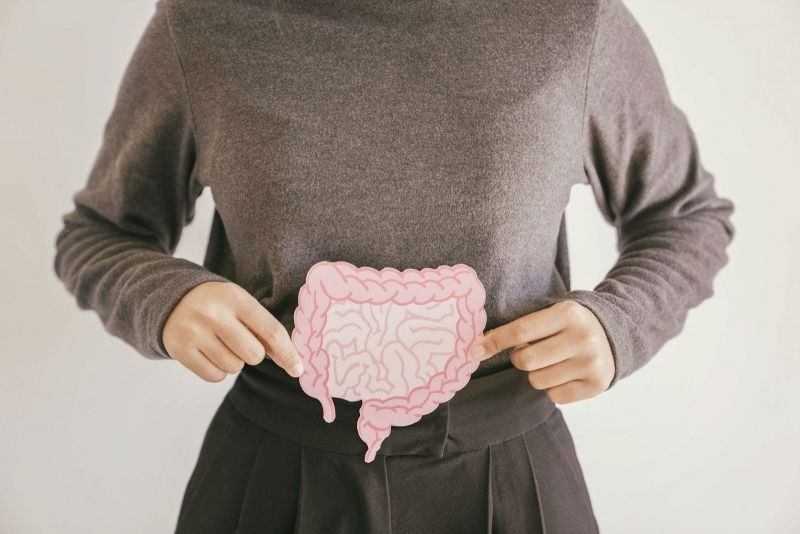
Living inside our intestines are trillions of microorganisms (bacteria, fungi, etc.), collectively known as the gut microbiome . Our gut microbiome plays a huge role in our overall health and wellbeing. Having a healthy gut goes beyond good digestion. With emerging research, we now know that the tiny microbes living in our gut can have an impact on almost every area of our body. Mental Health and Cognition The human gut microbiome affects the brain in many ways. The gut-brain axis is a bidirectional communication network. Through signaling pathways like hormones, nerves, and neurotransmitters, the gut sends signals to the brain and vice versa, leading to certain health outcomes. Brain fog is a common symptom of an underlying gut issue, which is usually due to inflammation stemming from our gut. A 2025 review states that there are even specific species of bacteria in our gut that affect our mood and cognitive performance. In fact, one large population study reported that frequent antibiotic use increases the risk for developing anxiety and depression, since antibiotics can deplete our gut of beneficial bacteria. Skin Health Eczema (Atopic Dermatitis) is a chronic inflammatory skin condition. Studies have shown potential links between the gut microbiome and the presence of eczema. This happens when dysbiosis (imbalance of microbiota) occurs in the gut, which triggers an inflammatory response in the body, sometimes leading to inflamed areas on the skin. This can also cause acne in some people. In fact, a 2019 review concluded that it is clear that different intestinal microbes can contribute to the presence of acne. So, if you’ve struggled with acne no matter what products you try, you may want to shift your focus to your gut instead. Immunity Clinicians are recognizing more and more the link between our immune system and the gut microbiome. Over 70% of our immune cells are present in our gut, which means a healthy gut microbiome plays a major role fighting infections, illness, and even preventing autoimmune conditions . The way that our gut and immune system is connected is very complex. Our gut microbes communicate with our immune cells to distinguish between harmful invaders and harmless substances. An immune response can be triggered when the bad bacteria out-number the good bacteria. Having a strong gut lining prevents pathogens and toxins from leaking through and entering our bloodstream, preventing inflammation and an immune response. So, if you feel like you have a weak immune system, you may want to check your gut. Heart Health A 2023 review explored the connection between the gut microbiota and cardiovascular disease. Currently, scientific evidence proves the existence of a relationship between the gut microbiota and cardiovascular disease. There are multiple, complex mechanisms involved in this relationship. Certain gut bacteria and their metabolites may influence inflammation, blood pressure, and cholesterol levels. Although there is clear evidence of the relationship between your gut and your heart, more research is needed to identify specific gut-based approaches in the prevention and management of cardiovascular disease. Weight Management There is a significant association between obesity and low microbial diversity. However, it is unclear which comes first. There is evidence that specific species of gut bacteria have an impact on body weight. For example, research has clearly shown that higher levels of Akkermansia (a beneficial gut bacterium) is associated with lower body weight and a lower risk of obesity, possibly due to its effect on appetite control, blood sugar tolerance, and insulin sensitivity. Food cravings are a common hindrance to people’s weight loss goals. An overgrowth of candida , which is a type of yeast in the body, may be the reason why some people experience more intense sugar cravings. This is because yeast feeds on sugar and carbohydrates. If you have been struggling with your weight and you feel like your sugar cravings are out of control, the root cause might be lingering in your gut. Liver Health/Detoxification Having a healthy liver is crucial for metabolism, blood sugar regulation, immunity, digestion, and detoxification. The gut microbiome impacts the liver through the gut-liver axis , which is a two-way communication pathway between gut microbes and their metabolites, and the liver. Emerging evidence supports the fact that gut dysbiosis may contribute to chronic liver disease . This may be due to increased intestinal permeability (“ leaky gut ”) and chronic systemic inflammation. Taking care of your gut can also mean taking care of your liver, therefore supporting your body’s natural detox process. As you can tell, there are lots of reasons why you should take care of your gut. The more research that is done, the more evident it becomes that poor gut health can lead to many consequences, affecting almost any area of the body. Curious about your gut health ? Apply for coaching here to get assessed by Kamryn and see if you need a GI-MAP test.